The Moment
The Moment
The Moment
Isaiah Dennis
Isaiah Dennis
Isaiah Dennis

Introduction
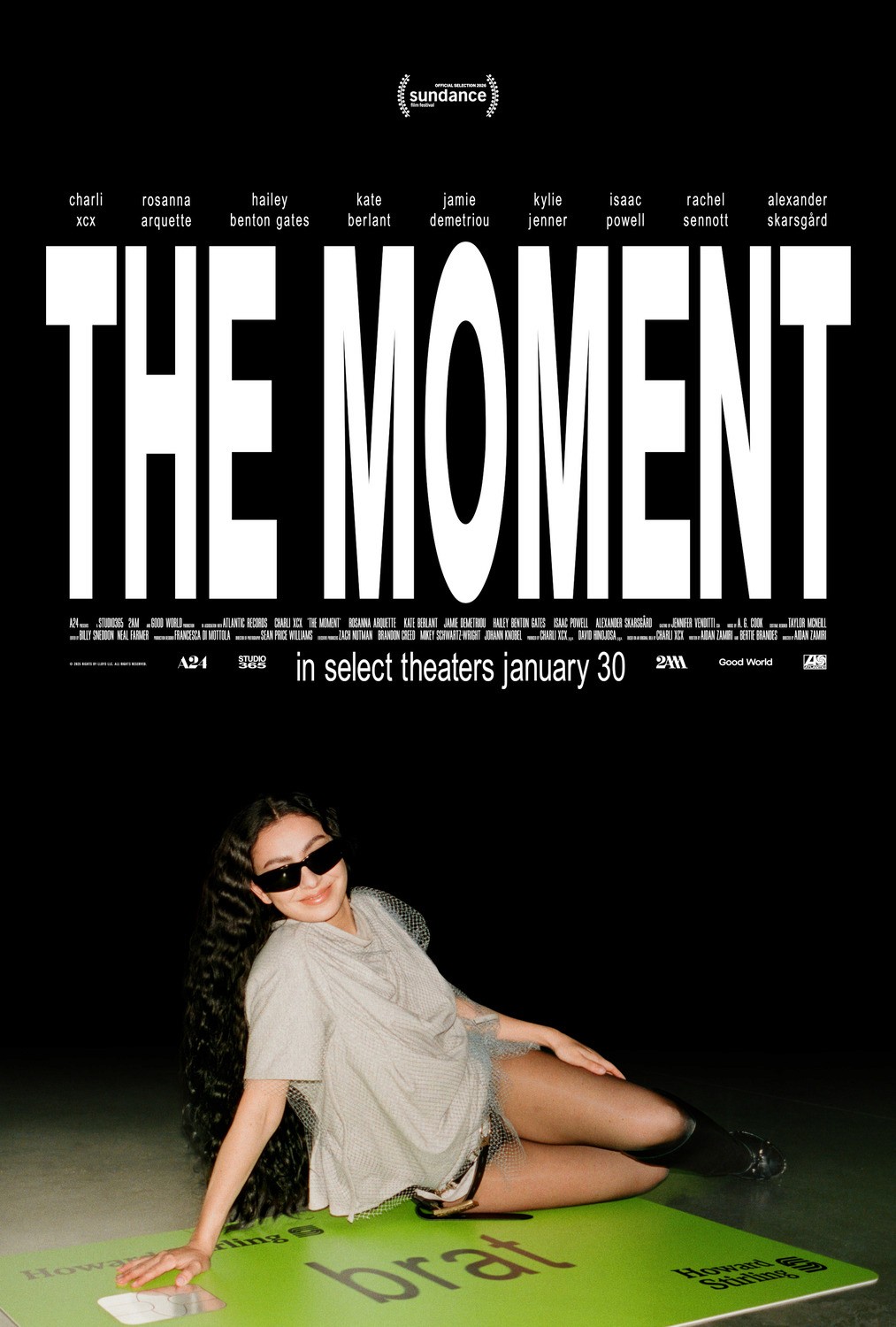
In an era of celebrities creating larger than life experiences to appease their fans that never truly match the insurmountable hype along the journey, Charli XCX decides to do something unique: create a chaotic satire about her album that really isn’t about her album while also lampooning the politics of the music industry.
If you’re expecting Charli to play the hits from her recent popular album, you’re out of luck. Set at the tail end of the “Brat Summer” movement that took 2024 by storm, Charli XCX faces the pressures of her new level of fame, such as endorsement deals and talk show appearances, as she prepares for her final tour. Things intensify when she agrees to turn the performance into a concert film by director Johannes Godwin, played by Alexander Skarsgård, putting a wedge between her creative team and her record label.
In an era of celebrities creating larger than life experiences to appease their fans that never truly match the insurmountable hype along the journey, Charli XCX decides to do something unique: create a chaotic satire about her album that really isn’t about her album while also lampooning the politics of the music industry.
If you’re expecting Charli to play the hits from her recent popular album, you’re out of luck. Set at the tail end of the “Brat Summer” movement that took 2024 by storm, Charli XCX faces the pressures of her new level of fame, such as endorsement deals and talk show appearances, as she prepares for her final tour. Things intensify when she agrees to turn the performance into a concert film by director Johannes Godwin, played by Alexander Skarsgård, putting a wedge between her creative team and her record label.
Main Discussion
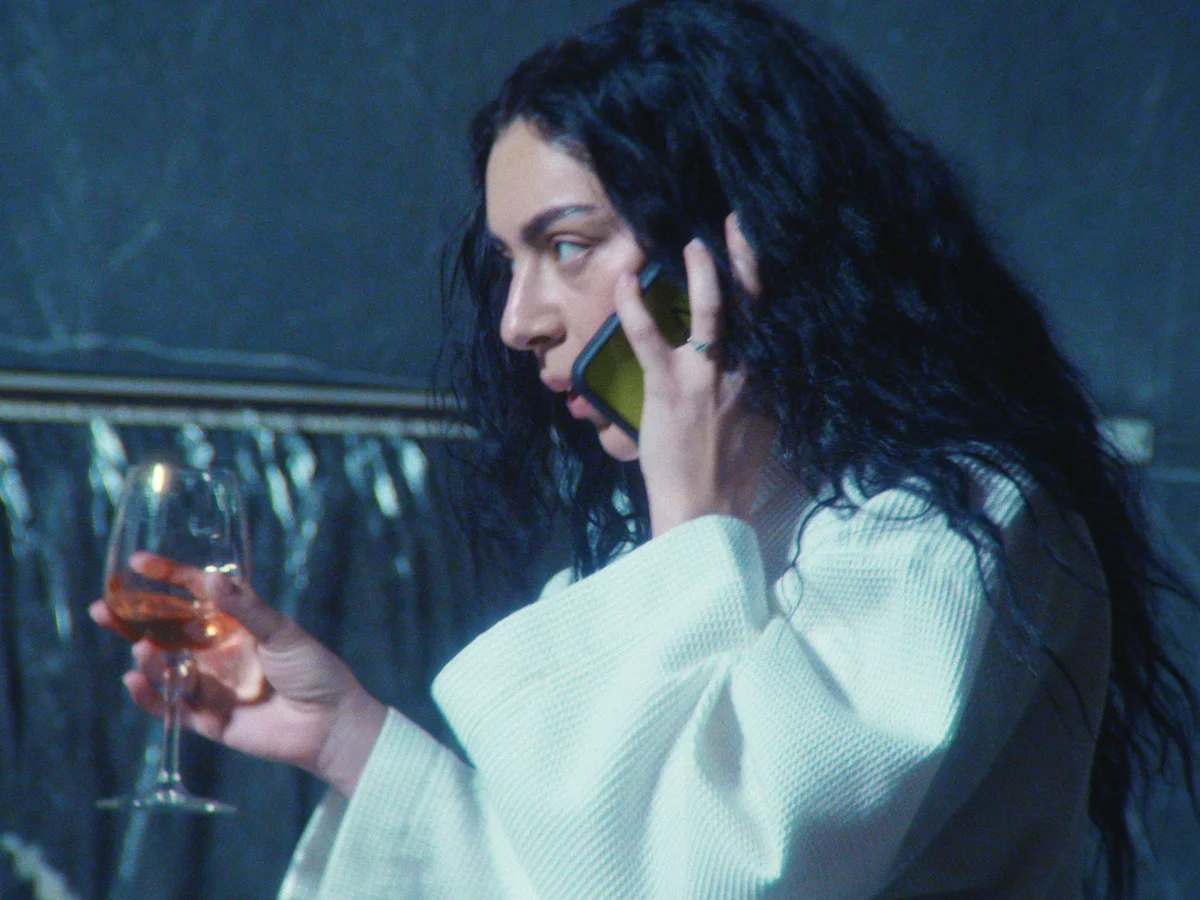
It’s amazing to see Charli, a well-known cinephile, play a fictional version of herself. At first it didn’t seem like she was really acting. It’s not until the mayhem ensues towards the third act where she contemplates the existential nature of achieving fame. She goes from nonchalant to frantic and, at times, exasperated mess. She has two great monologues that add relatability and dimension to her musical persona. The supporting cast does an average job, with several criminally brief cameos that outshine them. Hailey Benton Gates and Alexander Skarsgård stand out amongst the rest. Skarsgård is an awkward, self-absorbed artist that could rival any senior year film student heaped on ketamine before they enter the bleak job market while Gates acts as the surrogate to the audience whose dedication and loyalty to Charli’s artistic vision elevates her to the voice of reason as chaos unfolds. There are hints towards Skarsgård having a controversial past which I wish to have seen on screen that could’ve impacted the third act in an interesting way. A missed opportunity but I digress. Their friction in some of the film’s best scenes is a perfect representation of the collision of authenticity in art which feels extremely relevant in the current pop culture landscape.
It’s amazing to see Charli, a well-known cinephile, play a fictional version of herself. At first it didn’t seem like she was really acting. It’s not until the mayhem ensues towards the third act where she contemplates the existential nature of achieving fame. She goes from nonchalant to frantic and, at times, exasperated mess. She has two great monologues that add relatability and dimension to her musical persona. The supporting cast does an average job, with several criminally brief cameos that outshine them. Hailey Benton Gates and Alexander Skarsgård stand out amongst the rest. Skarsgård is an awkward, self-absorbed artist that could rival any senior year film student heaped on ketamine before they enter the bleak job market while Gates acts as the surrogate to the audience whose dedication and loyalty to Charli’s artistic vision elevates her to the voice of reason as chaos unfolds. There are hints towards Skarsgård having a controversial past which I wish to have seen on screen that could’ve impacted the third act in an interesting way. A missed opportunity but I digress. Their friction in some of the film’s best scenes is a perfect representation of the collision of authenticity in art which feels extremely relevant in the current pop culture landscape.
Key Takeaways
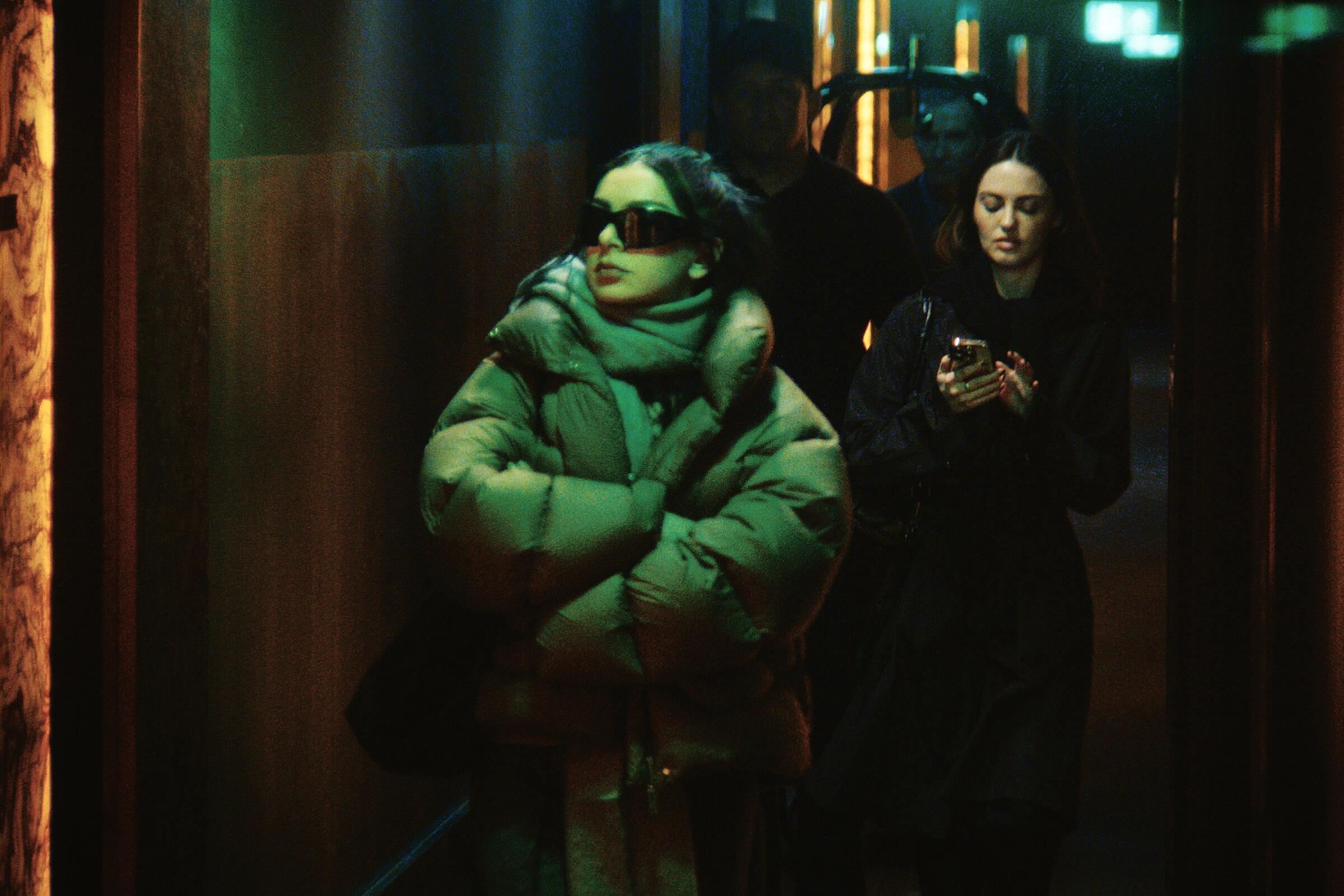
For a film that utilizes a shaky camera aesthetic, there’s some vibrant cinematography. The film switches from hand captured footage to vibrant saturated compositions which feel like A24’s titular style on the go. At times, the shaky camera can be disorienting but it does help ground the film in its hyper-saturated reality. The film has a very chaotic energy that only builds as Charli descends into madness. It’s the little microaggressions amongst interactions that give the film a funny and often realistic feel such as characters interrupting each other or noticing each other’s presence in confined spaces. However, it often feels like there are scenes missing. With so many films lately running over 2 hours long the brisk pacing is appreciated; however, it leaves you with a sense of whiplash as the film’s ending feels like the plot is reaching its climax. It doesn’t diminish how much fun the film is though.
Like mockumentaries before it, the film does a wonderful job showing the outlandish nature of fame and relevance in a culture that is constantly online and is addicted to instant gratification. Charli’s diminishing dignity could rival the public meltdowns of any celebrity in the past 3 years. It’s interesting to note how the film shows how miscommunication is common for artists and their managers and how such a small mistake from any managerial team could have extreme consequences. In an age where everyone is glued to their screens it’s refreshing to show the disconnect between online fandoms and the talented creators they worship. Although the final scene satirizes the marketing and aesthetic of many straight-to-streaming concert films in the past few years, it falls flat as it feels like you need to know Charli’s aesthetic to truly see the stark contrast between the artist’s brand and the brands of her peers. There’s a moment during a montage in the third act where the film almost jumps the shark by showing an unrealistic public outcry which makes it seem like her album, in the context of the world of the film, is “larger than life” even though for most of the film it doesn’t carry that kind of weight or significance to anyone outside of her fanbase.
For a film that utilizes a shaky camera aesthetic, there’s some vibrant cinematography. The film switches from hand captured footage to vibrant saturated compositions which feel like A24’s titular style on the go. At times, the shaky camera can be disorienting but it does help ground the film in its hyper-saturated reality. The film has a very chaotic energy that only builds as Charli descends into madness. It’s the little microaggressions amongst interactions that give the film a funny and often realistic feel such as characters interrupting each other or noticing each other’s presence in confined spaces. However, it often feels like there are scenes missing. With so many films lately running over 2 hours long the brisk pacing is appreciated; however, it leaves you with a sense of whiplash as the film’s ending feels like the plot is reaching its climax. It doesn’t diminish how much fun the film is though.
Like mockumentaries before it, the film does a wonderful job showing the outlandish nature of fame and relevance in a culture that is constantly online and is addicted to instant gratification. Charli’s diminishing dignity could rival the public meltdowns of any celebrity in the past 3 years. It’s interesting to note how the film shows how miscommunication is common for artists and their managers and how such a small mistake from any managerial team could have extreme consequences. In an age where everyone is glued to their screens it’s refreshing to show the disconnect between online fandoms and the talented creators they worship. Although the final scene satirizes the marketing and aesthetic of many straight-to-streaming concert films in the past few years, it falls flat as it feels like you need to know Charli’s aesthetic to truly see the stark contrast between the artist’s brand and the brands of her peers. There’s a moment during a montage in the third act where the film almost jumps the shark by showing an unrealistic public outcry which makes it seem like her album, in the context of the world of the film, is “larger than life” even though for most of the film it doesn’t carry that kind of weight or significance to anyone outside of her fanbase.
get in touch
Have a project in mind? Whether you’re launching a brand, finding a crew, or elevating your digital presence, we’re here to bring your vision to life.
contact Us.26
get in touch
Have a project in mind? Whether you’re launching a brand, finding a crew, or elevating your digital presence, we’re here to bring your vision to life.
contact Us.26
get in touch
Have a project in mind? Whether you’re launching a brand, finding a crew, or elevating your digital presence, we’re here to bring your vision to life.